I confirm, I am 21 years of age or older.
*This website requires you to be 21 years of age or older.
You have to be 21 years old or older to enter the Royal Stag Fan.
I confirm, I am 21 years of age or older.
*This website requires you to be 21 years of age or older.
You have to be 21 years old or older to enter the Royal Stag Fan.


Royal Stag Fan

15 June 2026
The DJ changes the track. A rapper jumps in before the beat fully settles. Somewhere in the crowd, someone knows every word.
That's the thing about hip-hop. It has a way of making strangers feel like they’re part of the same conversation.
More than fifty years after it first emerged, hip-hop has become one of the most influential cultural movements in the world. Its impact stretches far beyond music, shaping fashion, language, art, and even the way stories are told. From neighbourhood block parties in New York to packed arenas and music festivals across the globe, hip-hop continues to evolve while staying connected to its roots.
What makes it special isn't just the sound. It's the culture behind it.
Table of Content:
Ask a group of people what hip-hop means, and you'll probably hear different answers.
Some will say it's rap music. Others will talk about dance battles, streetwear, or graffiti-covered walls. The truth is that hip-hop has never been just one thing.
From the beginning, it was a culture built around creativity. It gave people a space to express themselves and create something original using whatever resources they had available. That's why hip-hop has remained relevant across generations. It constantly changes, but its purpose remains the same.
Long before social media gave everyone a platform, hip-hop was already doing exactly that.
Artists used it to tell stories about their neighbourhoods, ambitions, challenges, and everyday lives. Some did it through music. Others through dance or visual art.
That freedom to speak honestly is one of the reasons hip-hop has travelled so far. No matter where it appears, people recognise something familiar in it: the desire to be heard.
Rap gave hip-hop its voice through rhythm, rhyme and storytelling, turning personal experiences into performances that could entertain, inspire or challenge listeners.
Before the lyrics came the beats. DJs experimented with records, looping instrumental sections and creating sounds that became the foundation of hip-hop culture.
Breakdancing brought movement into the culture. Dancers responded to music with creativity, athleticism, and style, turning streets and community spaces into performance stages.
Graffiti became hip-hop's visual signature. Walls, trains, and public spaces were transformed into canvases where artists could showcase creativity and leave their mark.
Hip-hop never required a formal invitation.
You didn't need expensive equipment or access to major platforms. What mattered most was having something to say and finding a creative way to say it.
That's what helped the culture grow. People connected with stories that felt real, and artists found a community willing to listen.
Hip-hop music is the sound that emerged from this wider culture.
Built on rhythm, lyricism, production, and storytelling, it gives artists a platform to share perspectives, celebrate achievements, and spark conversations.
Although the style continues to evolve across generations, its core purpose remains unchanged: using music to express experiences, ideas, and emotions.
To find hip-hop's roots, you have to go back to the Bronx in New York during the early 1970s.
Community block parties became gathering places where DJs experimented with records and created new sounds for local crowds. One of the most influential figures from this era was DJ Kool Herc, whose use of breakbeats helped shape what would eventually become hip-hop music.
What started as a local movement quickly gained momentum. DJs, MCs, dancers, and artists inspired one another and helped build a culture that would eventually spread far beyond New York.
One reason hip-hop has remained relevant for so long is its ability to evolve.
Every generation has introduced new ideas, while different cities have developed distinct sounds of their own. Artists have blended influences from jazz, soul, electronic music, R&B, and pop, while new production techniques have continued to expand the genre's creative possibilities.
Technology further accelerated this growth by allowing artists from around the world to share music, collaborate, and build audiences without relying on traditional gatekeepers. As a result, hip-hop continues to reinvent itself while staying connected to its roots.
There was a time when Indian hip-hop felt like a niche movement.
If you wanted to discover new rappers, you often had to search for them yourself. Today, that's no longer the case.
Hip-hop has become one of the most exciting parts of India's music landscape. Artists are creating music in Hindi, Punjabi, Tamil, Malayalam, Marathi, Bengali, and several other languages, bringing local experiences into a global culture.
Rather than simply following international trends, Indian artists have developed their own identity. Their music reflects the places they come from, the communities they represent, and the stories they want to tell.
One of the most exciting developments in music today is the rise of genre fusion.
Artists are combining hip-hop with regional sounds, contemporary melodies, electronic influences, and independent music styles to create fresh and distinctive musical experiences. As genre boundaries continue to blur, musicians are finding new ways to experiment, while listeners are discovering music that feels both familiar and unexpected.
You can hear this shift happening on stages across the country.
Audiences aren't looking for neatly separated genres anymore. They enjoy collaborations with unexpected combinations and performances that bring different musical worlds together.
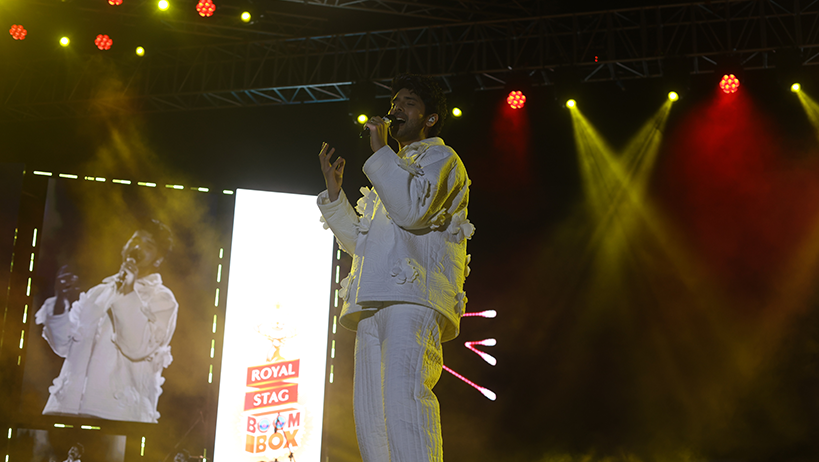
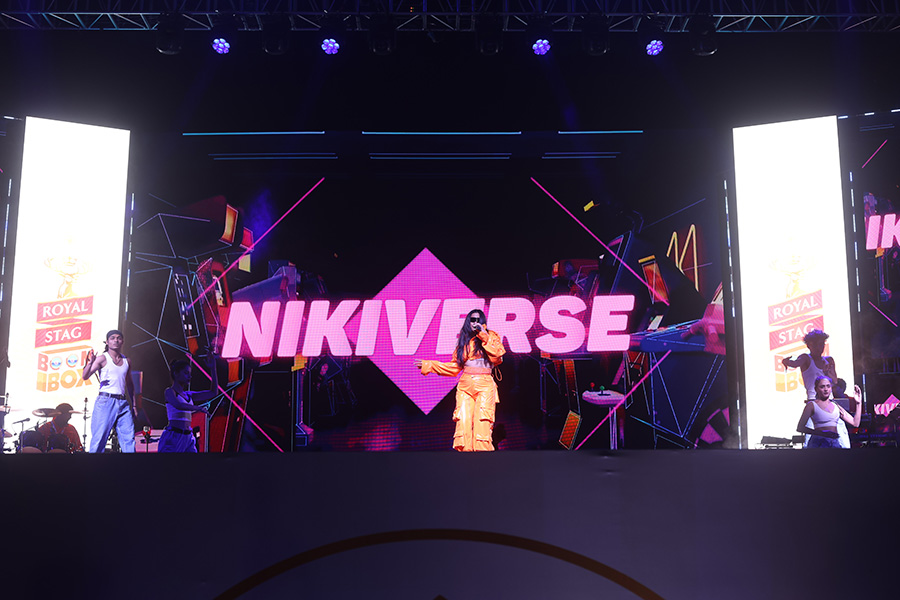
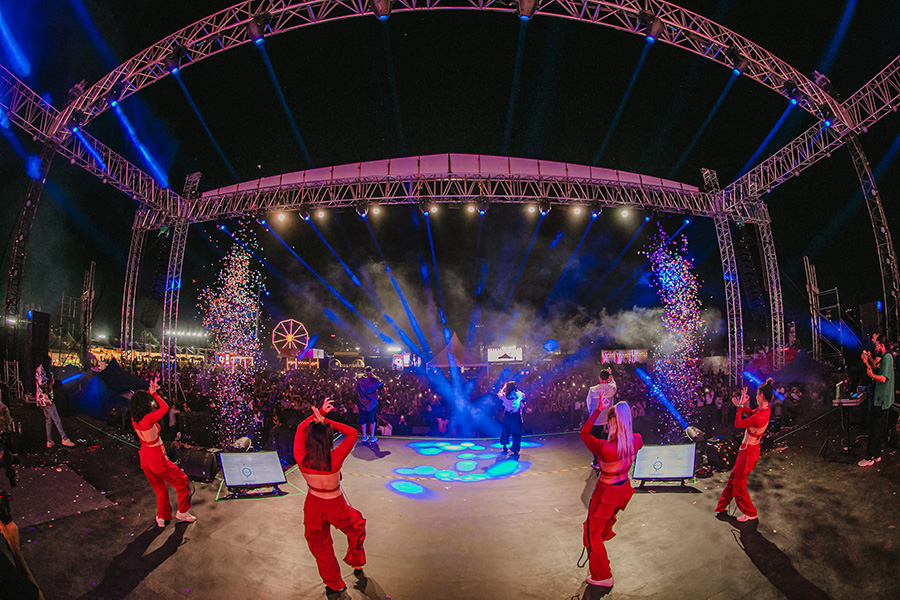
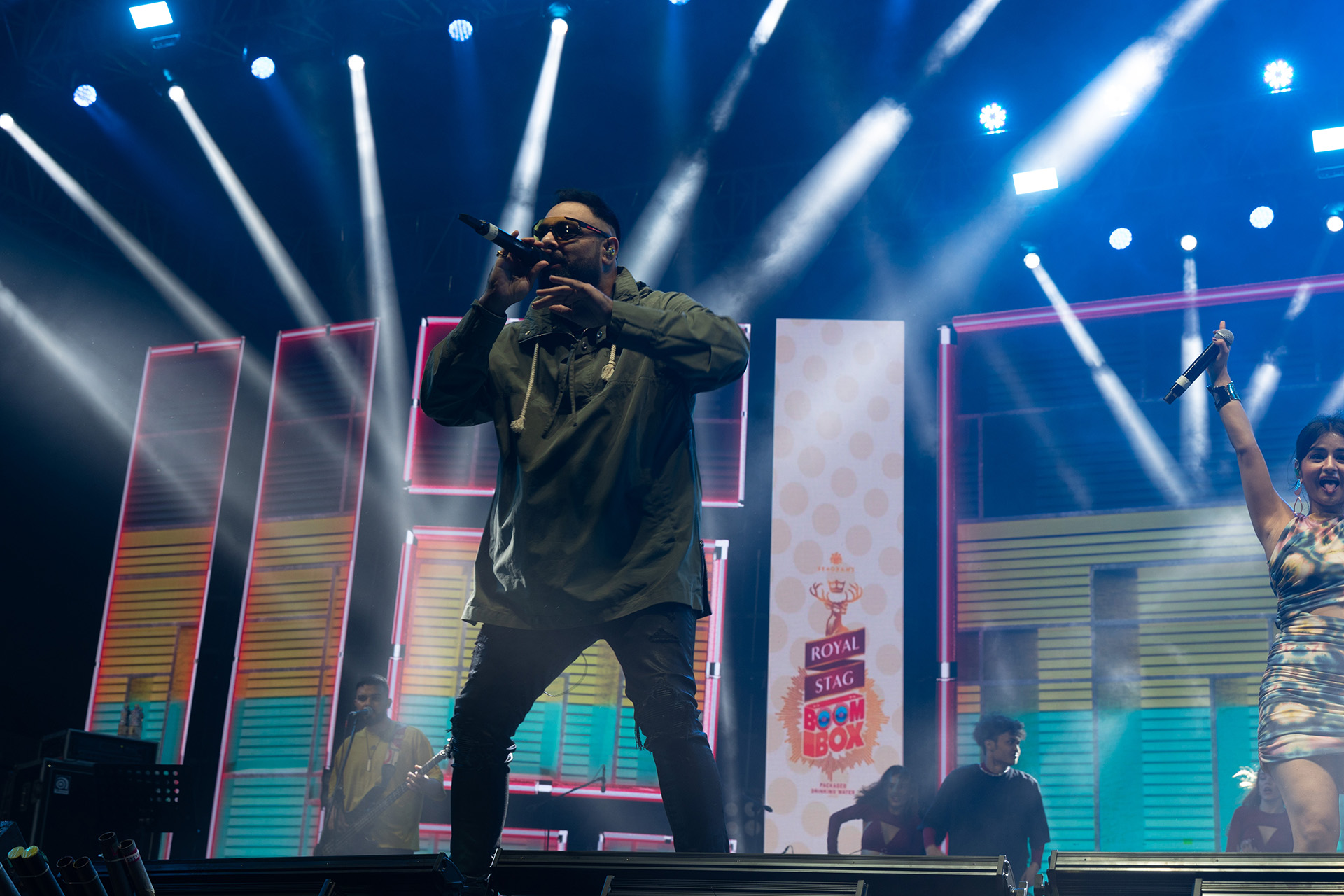
Royal Stag BoomBox celebrates this changing landscape by creating a space where hip-hop and melody can coexist. It highlights artists who are willing to experiment, collaborate, and explore new creative possibilities, reflecting the direction in which Indian music is moving.
Predicting hip-hop has never been easy.
Every time people think they've figured out where the genre is headed, artists find a new direction. That's part of what keeps the culture exciting.
What seems certain is that hip-hop will continue to evolve. New voices will emerge. New sounds will develop. New influences will reshape the music.
And somewhere along the way, another generation will discover a culture that encourages them to tell their own story.
Hip-hop's journey from neighbourhood block parties to global stages is remarkable, but perhaps its greatest achievement lies in its ability to create space for new voices. Every generation has contributed something unique, while every city and artist has helped shape the culture in their own way.
In India, that story continues to evolve through new sounds, fresh collaborations, and diverse perspectives that are redefining the future of hip-hop.
The Royal Stag BoomBox celebrates this creative spirit by bringing together artists and audiences who embrace experimentation and innovation. After all, hip-hop has never been about standing still, but about pushing boundaries, embracing originality, and continuing to grow an attitude that perfectly reflects what it means to Live It Large.

Frequently Asked Questions
Hip-hop music combines rhythmic beats, spoken word (rap), DJing, and sound mixing. Its foundation lies in storytelling, often about real-life struggles and social issues. It reflects hip-hop culture — born from the streets — and includes expressive dance, graffiti, and fashion. This genre thrives on rhythm, rhyme, and rebellion.
Hip-hop stands out for its lyrical flow, street-inspired themes, and cultural roots. Unlike many genres, it’s both a music style and a lifestyle. Its uniqueness lies in blending beats, samples, raps, and breakbeats — all while giving artists the freedom to voice raw, unfiltered truths.
Rap is a musical style involving rhythmic speech or rhyming lyrics. Hip-hop, on the other hand, is a broader cultural movement. It includes four elements: rapping (MCing), DJing, breakdancing, and graffiti. So, while all rap is part of hip-hop, not all hip-hop is rap.
Key techniques in hip-hop include rapping, beatboxing, DJing (scratching, sampling), and looping breakbeats. Artists also employ lyrical wordplay, punchlines, and flows to craft their verses. These techniques make hip-hop music dynamic and deeply expressive, often blending old-school methods with new tech.
The origin of hip-hop traces back to the Bronx, New York, in the 1970s. DJs like Kool Herc pioneered the genre by isolating breakbeats for block party crowds. What started as street jams evolved into a worldwide movement known for its authenticity and rebellious edge.
Pioneers of hip-hop include DJ Kool Herc, Grandmaster Flash, Afrika Bambaataa, and The Sugarhill Gang. These trailblazers helped define what is hip-hop music today — from spinning records to conscious rap. Their innovation laid the foundation for modern hip-hop culture.
Popular subgenres include Gangsta Rap, Trap, Boom Bap, Conscious Rap, Drill, and Lo-fi Hip-Hop. Each subgenre reflects a unique facet of hip-hop’s evolution. Whether political, aggressive, or laid-back, all styles contribute to the diverse world of hip-hop music.
Hip-hop has redefined street fashion, introducing trends like oversized clothing, sneakers, gold chains, and snapbacks. It’s more than clothing — it’s attitude. Hip-hop culture also impacts speech, body language, and mindset, turning lifestyle into an extension of musical identity.