I confirm, I am 21 years of age or older.
*This website requires you to be 21 years of age or older.
You have to be 21 years old or older to enter the Royal Stag Fan.
I confirm, I am 21 years of age or older.
*This website requires you to be 21 years of age or older.
You have to be 21 years old or older to enter the Royal Stag Fan.


Royal Stag Fan

15 June 2026
Table of Content:
There are very few things in this world that need no translation, and music is one of them. It crosses borders, bypasses language barriers, and somehow manages to say the things that words cannot. World Music Day exists to celebrate just that. With open streets, free performances, and a shared interest in music, everyone is encouraged to express their musical interests as freely as they wish.
World Music Day is celebrated every year on 21st June. The date is not arbitrary — it falls on the summer solstice, the longest day of the year in the northern hemisphere. Across cultures and centuries, the solstice has been a marker of renewal and communal celebration. Pinning a music holiday to it was deliberate: the idea being that the longest stretch of daylight should be filled with sound and celebration.
It fell on a Saturday, making it an ideal occasion for people around the world to step outside and take part in the celebrations.
They sound interchangeable, but they are actually distinct. World Music Day — or Fête de la Musique as it originated in France — is celebrated on 21st June, with an emphasis on free, public performances. Everyone is welcome. That's the point.
International Music Day, on the other hand, falls on 1st October and was established by the International Music Council in 1975. It tends to be more institutional in character, focused on music education and cultural exchange at an organisational level.
The story begins in France in 1982. Jack Lang, then French Minister of Culture, launched Fête de la Musique with a simple invitation that still defines it today: "Faites de la musique" ("Make music"). The vision was to pull music out of concert halls and bring it to the public — for free, with no barriers to entry, performed by professionals and amateurs alike.
The idea spread rapidly beyond France. Over the following decades, countries across Europe, Asia, the Americas and Africa adopted their own versions of the celebration. Today, World Music Day is observed in more than 120 countries worldwide. What started as a French cultural initiative had quietly become one of the most genuinely global celebrations on the calendar.
This is not a cliché — or at least, it stops being one the moment you consider what music actually does. It regulates mood, marks memory, builds community, and in many documented cases, crosses cognitive and emotional boundaries that speech cannot.
Different cultures produce wildly different musical traditions, yet the emotional responses they generate — grief, joy, longing, elation — are remarkably consistent across those same cultures. A lullaby in Malayalam and a lullaby in Portuguese are not doing different things. They are doing the exact same thing in different tongues.
World Music Day exists, in part, to make that point louder than argument ever could.
One of the more interesting developments in contemporary music is how thoroughly genres have stopped respecting their own borders. Classical musicians collaborate with electronic producers. Traditional vocalists appear on hip-hop records. Folk traditions find their way into stadium pop. The walls, as it turns out, were always more porous than the industry wanted to admit.
This is not dilution — it is music doing what it has always done: absorbing its surroundings, evolving, and producing something that didn't exist before. The fusion is the point.
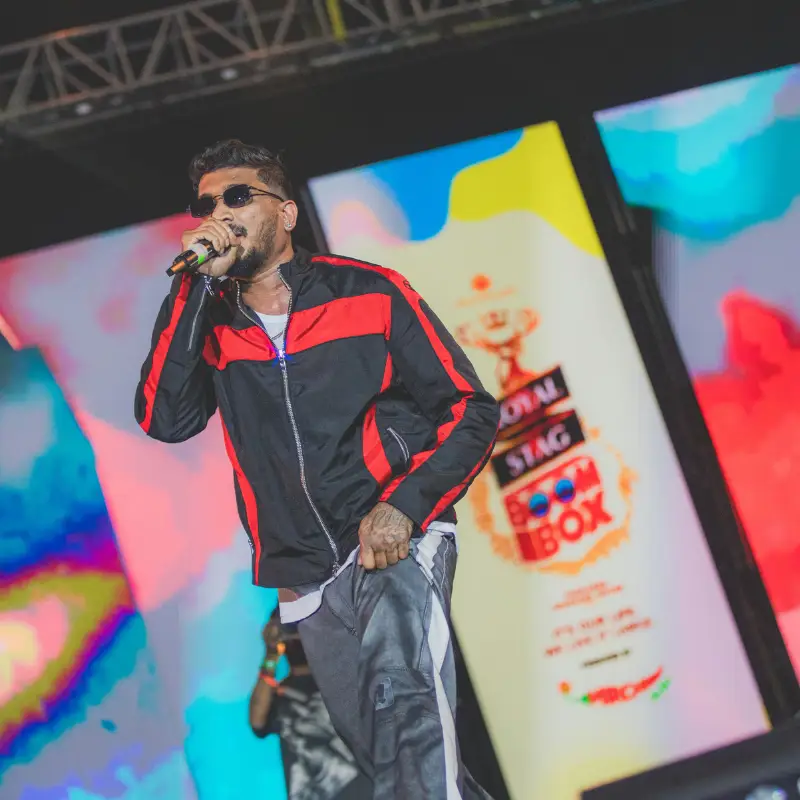
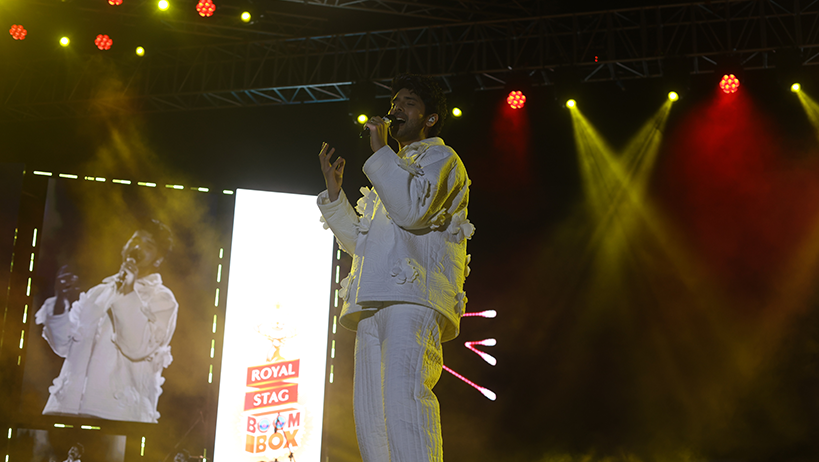
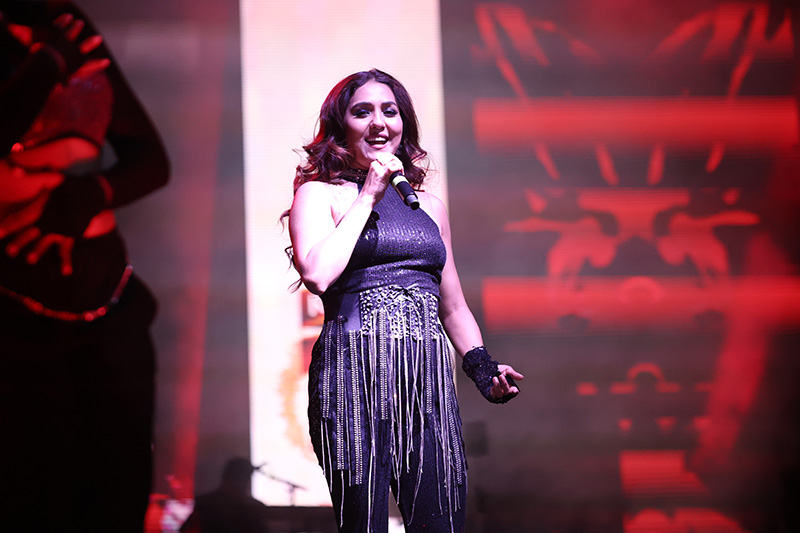
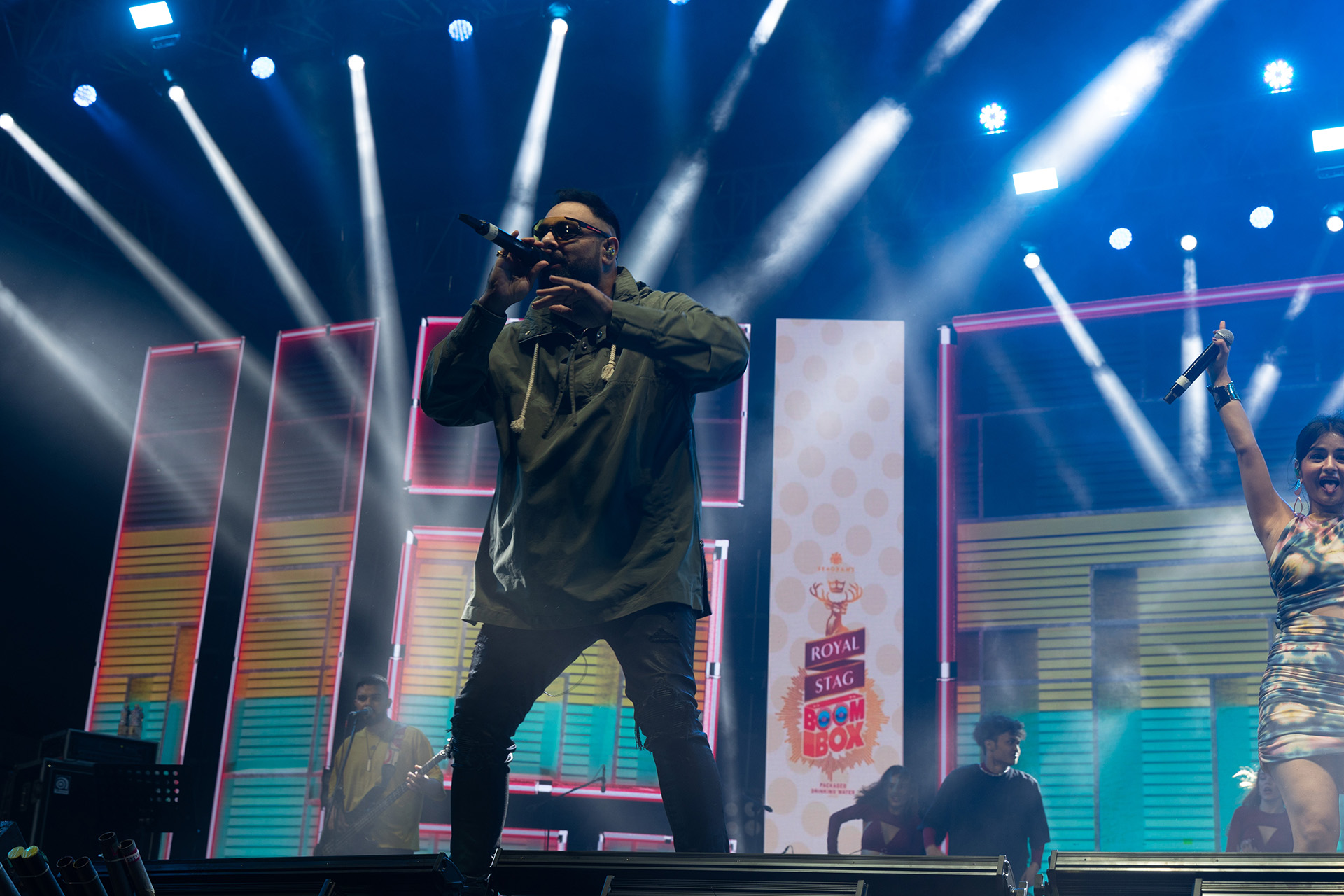
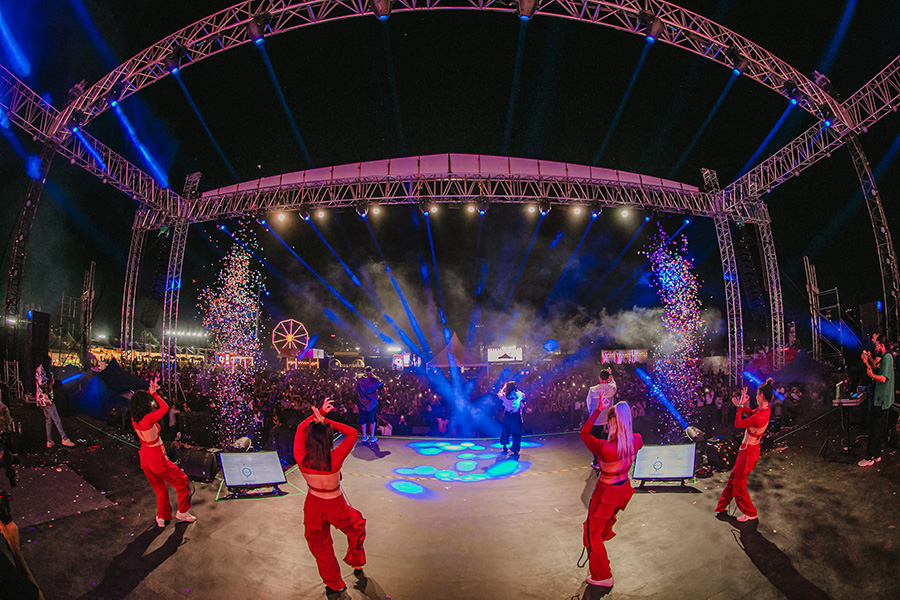
In India, Royal Stag BoomBox has been doing something that captures this spirit precisely — placing Bollywood legends and hip-hop artists on the same stage, letting the genres collide and discovering what emerges from the collaboration. Artists like Divine and Badshah have shared bills with Neeti Mohan and Armaan Malik, resulting in performances that are neither purely one thing nor the other, but something more alive for the tension between them.
It is, in the truest sense, music being played large.
Also Read: Rap vs Hip-Hop Music: What's the Real Difference?
The best thing about World Music Day is that the bar to participation is deliberately low. A few starting points:
The day rewards curiosity more than expertise.
Every year, on the longest day, the world does something quietly remarkable — it stops and listens. World Music Day is not about any single genre, any tradition, or any celebrated name. It is about the fact that music, in every form it takes, has proven to be one of the most durable things human beings have ever made.
On 21st June, that is worth celebrating.

Frequently Asked Questions
World Music Day is celebrated on 21st June every year, coinciding with the summer solstice.
The date aligns with the summer solstice — the longest day of the year — which has historically been associated with communal celebration and renewal across cultures.
World Music Day events are typically organised by local councils, cultural organisations, community groups, music venues, and independent collectives. There is no single global organiser, although the celebration follows the spirit of the original French Fête de la Musique initiative.
The first Fête de la Musique was held in France in 1982, launched by then-Minister of Culture Jack Lang.