I confirm, I am 21 years of age or older.
*This website requires you to be 21 years of age or older.
You have to be 21 years old or older to enter the Royal Stag Fan.
I confirm, I am 21 years of age or older.
*This website requires you to be 21 years of age or older.
You have to be 21 years old or older to enter the Royal Stag Fan.


Royal Stag Fan

29 April 2026
For decades, the terms "Hip-Hop" and "Rap" have been used as synonyms, but if you look closer, they represent two very different layers of a global phenomenon. One is a culture that changed the world, and the other is the lyrical engine that drives it. In this guide, we break down the nuances that every music fan should know.
Table of Content:
Born in the Bronx in the 1970s, Hip-Hop was created as a way for urban youth to express their identity, frustrations, and joys through a multi-sensory experience.Hip-hop music is a cultural movement that blends rap, DJing, breakdancing, and graffiti art.
People tend to shrink Hip-Hop down to a music label, but that sells it short. What started in the Bronx in the seventies was something far bigger. It was a medium of movement through expression, rhythm and culture. Young people with a need to express and plenty to say built something that fused turntable craft, raw beats, and real-world storytelling into a single whole expression. The music was the outlet, but the culture behind it ran much deeper.
If Hip-Hop is the movement, rap is its most recognisable heartbeat. It's a vocal art form rooted in rhythm and rhyme, where the speaker commands attention not through precision. The way syllables lock into a beat, the architecture of a rhyme scheme, and the sleight of hand in wordplay are the integral fundamentals that define Rap.
Rap is widely understood to stand for Rhythm and Poetry, and that description holds up. Though rap sits at the centre of Hip-Hop culture, its reach is far beyond it, threading itself through Pop, K-Pop, Metal, and beyond.
Hip-Hop and rap get used interchangeably all the time, but they refer to two different things. Rap is a vocal art form. It is the rhythmic, rhyme-driven delivery you hear from an artist over a beat. Hip-Hop is the culture that rap was born inside of, one that also includes DJing, dancing, and visual art. Calling rap and Hip-Hop the same thing is a bit like calling a paintbrush the same thing as art itself. One is a tool, the other is the whole world built around it.
Technically, the culture of Hip-Hop came first. The block parties in the Bronx during the early 1970s were focused on the DJ playing "breaks" for dancers. The "MC" (Master of Ceremonies) originally only spoke simple phrases to keep the crowd excited. Over time, these simple phrases evolved into complex rhymes, which eventually became what we know today as Rap music.
The distinction lies in Lifestyle vs. Performance.
| Factor | Hip Hop | Rap |
|---|---|---|
| Scope | A 360-degree cultural movement and lifestyle | A vocal technique and musical style |
| Primary Focus | DJ/Producer often central (e.g., Grandmaster Flash) | MC/rapper is the main focus |
| Social Connection | Rooted in community, identity, and block parties. | Commercial industry, often focused on individual success |
| Visual Representation | Includes graffiti, street art, and fashion | Mainly auditory focused on sound and lyrics |
| Evolution | Retains cultural roots and foundational vibe | Rapidly evolves with trends (e.g., drill, mumble rap) |
| Dance Forms | Includes breakdancing, popping, and locking as integral elements. | Not directly associated with specific dance styles but inspires movement-based performances. |
| Global Impact | A worldwide cultural movement that transcends music and influences language, activism, and entertainment. | A popular music genre that dominates global charts and streaming platforms. |
As of 2026, the Indian scene has reached a fever pitch. The most influential names dominating the airwaves this year include:
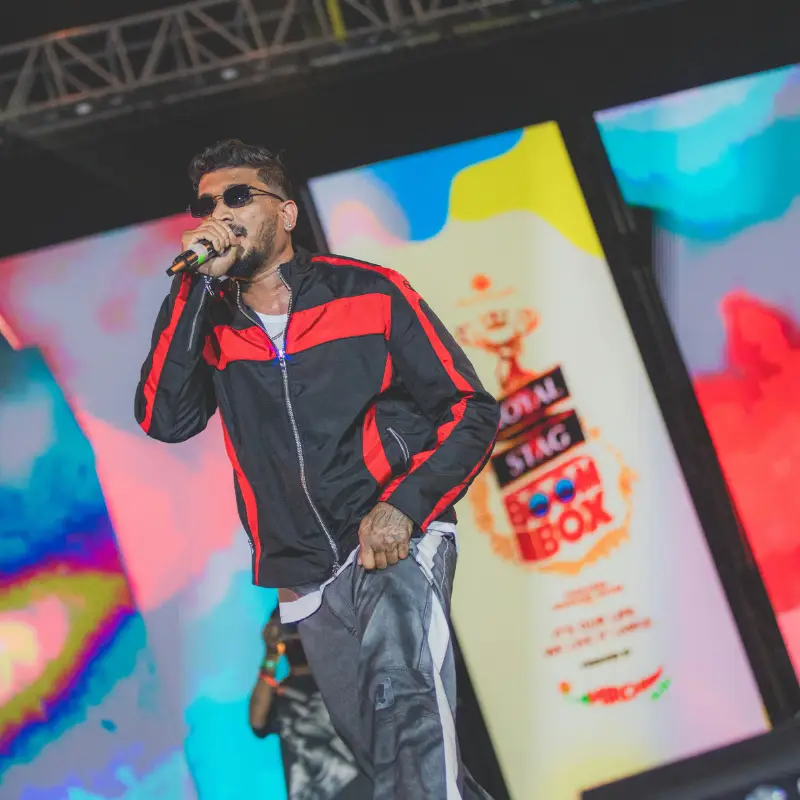
2026 hasn't been a quiet year for Hip-Hop in India — not even close.
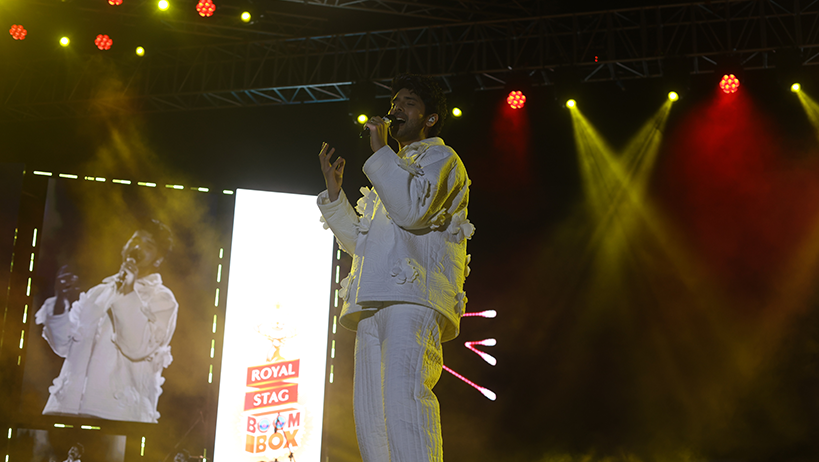
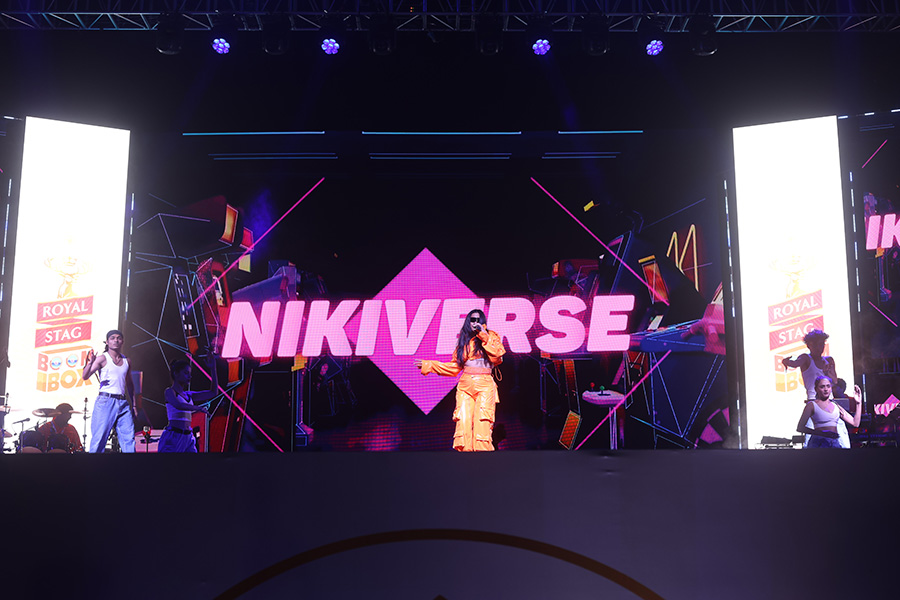
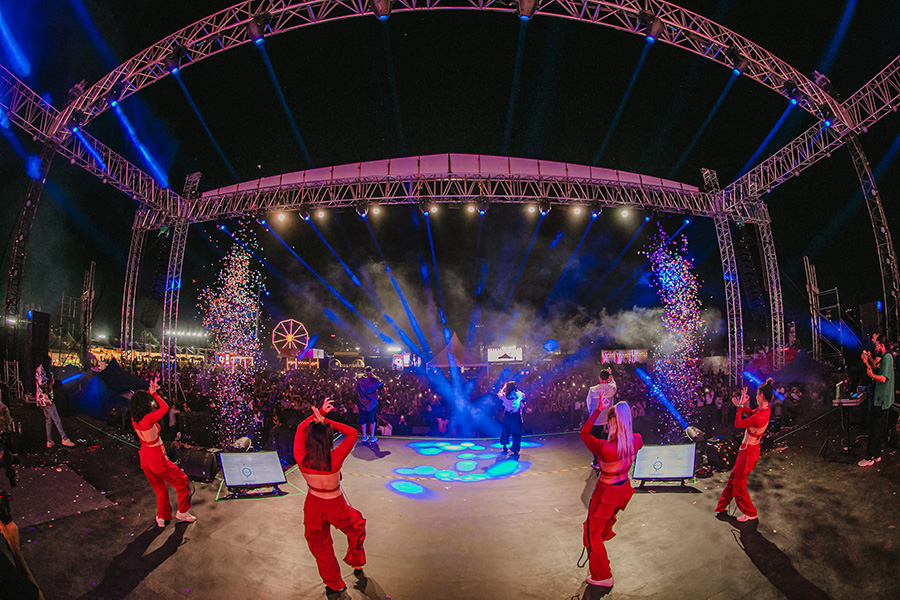
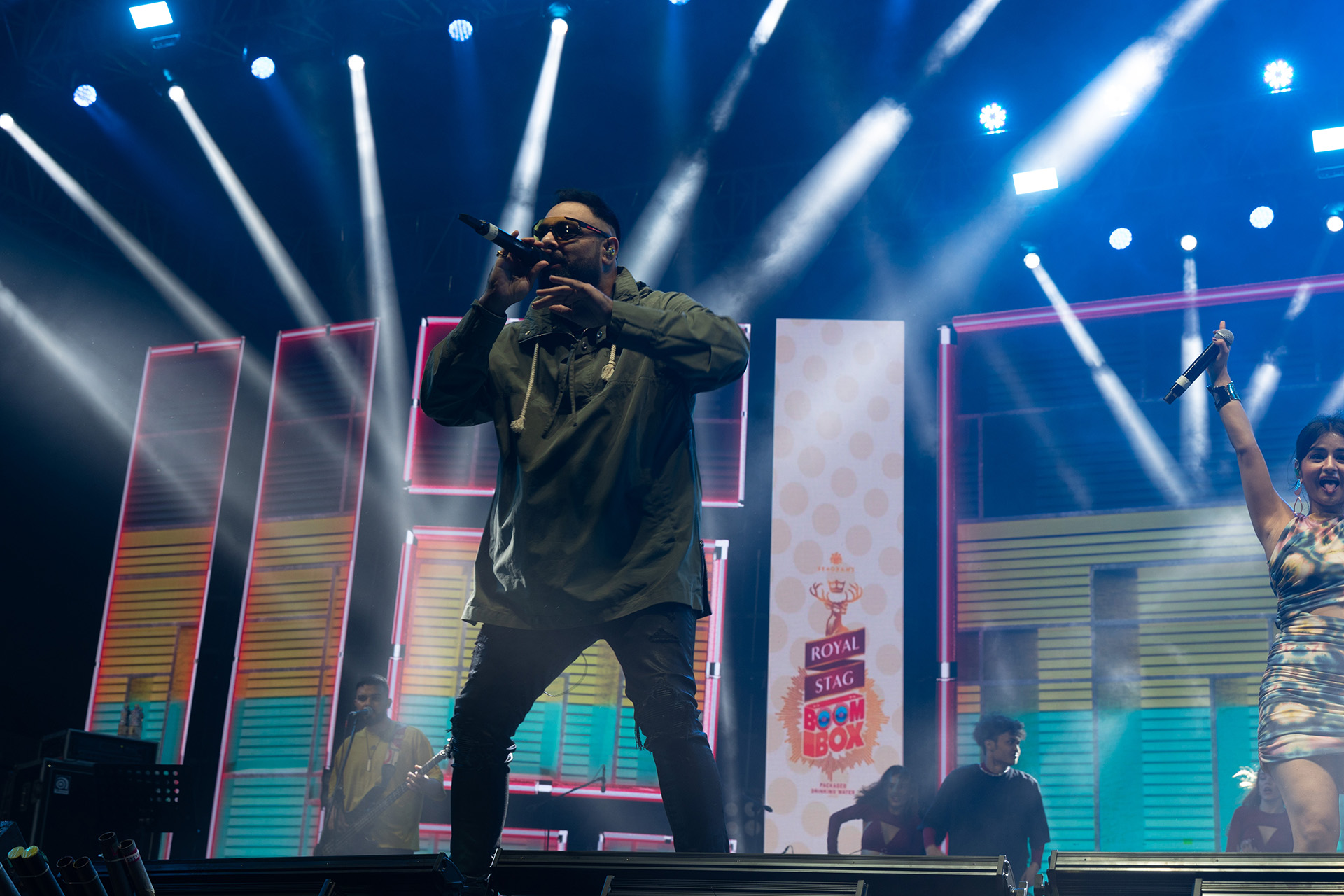
Running through it all, the Royal Stag BoomBox Tour has held things together as the go-to destination for fans chasing the culture year-round.
The lineup brought together heavyweights like Badshah, Raftaar, and Divine, creating a synergy that made things iconic. By staying deeply rooted in the local pulse of host cities, the tour maintained a world-class standard that felt both global and local.
By its fourth edition, the festival had claimed an entirely different scale. Setting a new benchmark for concerts by integrating culture, music and live experiences, cities like Vizag, Kolkata, and Mohali each got their turn to host something memorable.
The "Melody x Hip-Hop" segments were the heartbeat of every show. Dino James and Rashmeet Kaur performing alongside Nikhita Gandhi and Armaan Malik made for some organic moments as they became the kind of collaboration where genre boundaries quietly dissolved. Rap fans and casual listeners found themselves sharing the same energy, and the room was better for it.
Knowing where Hip-Hop ends, and rap begins makes you intrigued. They are not interchangeable labels — they carry two different histories, two different meanings. And once you understand that everything you hear feels deeper and more meaningful.
No. While rap is a core element of Hip-Hop, it is used in many other genres today, such as Nu-Metal or Pop, which do not follow Hip-Hop culture.
The four traditional pillars are DJing, MCing (Rapping), Graffiti Art, and Breakdancing (B-boying).
Yes, Hip-Hop is synonymous with Breaking, Popping, and Locking. Rap itself is a vocal style and does not have its own specific dance.
Not necessarily. While "Chopper" rap is fast, many subgenres, such as "Cloud Rap" and "Mumble Rap," focus on slow, atmospheric delivery.
It originated in August 1973 at a back-to-school jam in the Bronx, New York, hosted by DJ Kool Herc.
Think of a block party where a DJ is on the decks, dancers are freestyling nearby, MCs are working the crowd, and graffiti artists are painting the backdrop. That whole scene together — that's Hip-Hop.
Rap is more focused. One artist, a beat, and something to say — whether that's a personal story, a social observation, or just a display of pure skill.
The Hip-Hop movement and its DJ culture came first, and rap evolved later as the MCs' role became more lyrical and prominent.