I confirm, I am 21 years of age or older.
*This website requires you to be 21 years of age or older.
You have to be 21 years old or older to enter the Royal Stag Fan.


Royal Stag Fan

26 June 2026
Today, hip-hop is redefining what people expect from a music festival, and India is playing an increasingly important role in that story.
From packed festival grounds to headline performances that draw thousands of fans, the genre has become an essential part of the live music experience. Audiences show up knowing every lyric. Artists command some of the biggest stages. Festivals today increasingly reflect the diversity of modern listening habits, with hip-hop emerging as a major force in contemporary live music.
What makes this rise particularly interesting is that it hasn't happened in just one part of the world. Hip-hop has found a home across continents, cultures and languages. While its roots remain deeply connected to self-expression and storytelling, the genre has continued to evolve alongside changing audiences and musical tastes.
Hip-hop's journey into mainstream festival culture wasn't immediate.
The genre began as a community-driven movement where music, dance, art and storytelling came together to create something entirely new. Over time, its influence spread beyond local neighbourhoods and into popular culture around the world.
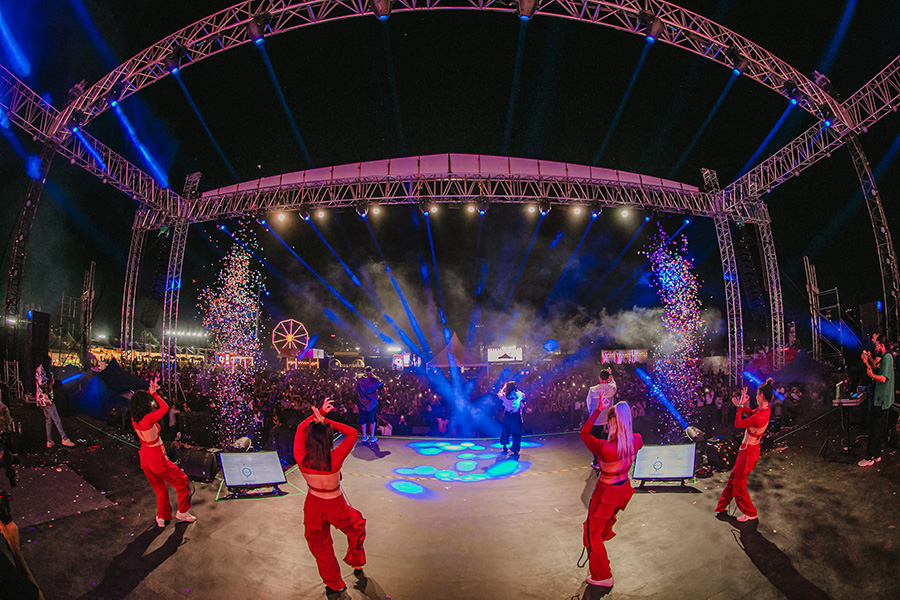
As the audience for hip-hop grew, so did its presence on live stages. Festival line-ups that once revolved around rock, pop and electronic music now make space for hip-hop, recognising its ability to energise crowds and create memorable shared experiences. What started with a handful of performances gradually evolved into headline slots and dedicated festival stages.
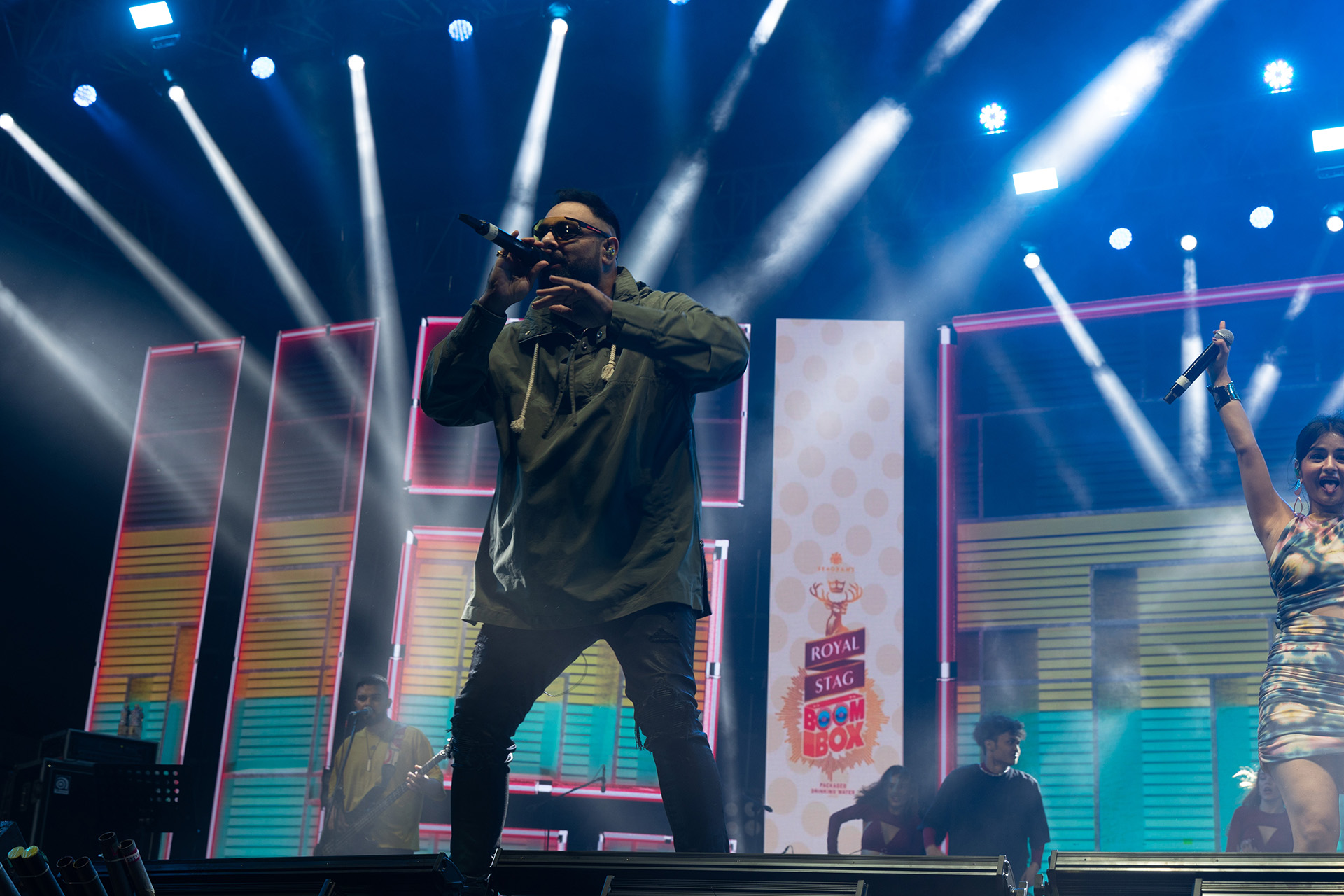
Hip-hop artists now regularly feature alongside some of the biggest names in music. Their performances attract audiences from different age groups, backgrounds and cultures, proving that the genre's appeal extends far beyond its origins.
Some genres are best experienced through headphones. Hip-hop thrives in front of a crowd.
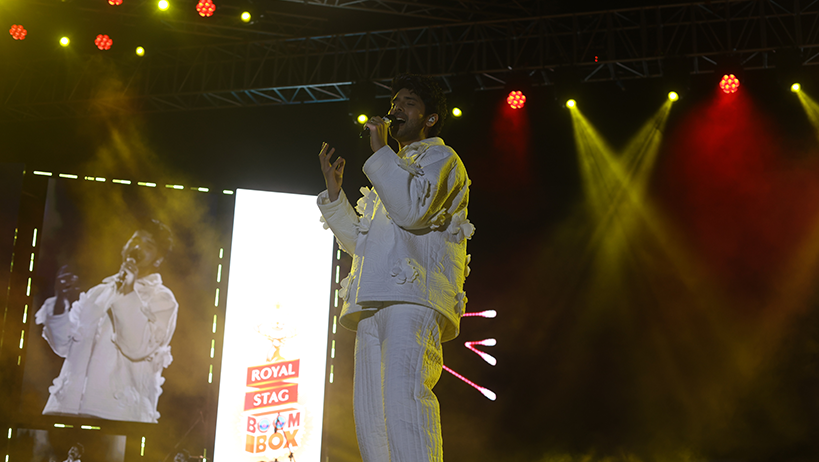
Part of that comes from the energy. A live hip-hop performance invites participation. Fans rap along to verses, react to every beat drop and become part of the performance itself.
However, its appeal extends beyond energy alone.
The genre also adapts naturally to live environments, allowing artists to experiment with different sounds and performance styles that keep audiences engaged. At the same time, the genre's emphasis on storytelling helps create a connection that feels immediate and genuine when performed live.
This combination of energy and authenticity has helped make hip-hop one of the most engaging genres in modern festival culture.
Also Read: Rap vs Hip-Hop Music: What's the Real Difference?
Festival audiences today listen differently than they did a decade ago.
Playlists have replaced traditional genre boundaries. A listener might move from rap to indie music to electronic tracks in the span of a few minutes. This shift has also encouraged festivals to embrace a wider mix of sounds and collaborations.
Hip-hop has benefited enormously from this change.
Artists are constantly experimenting with new influences and bringing different musical styles into their work. Regional sounds, contemporary melodies, electronic production and live instrumentation are increasingly finding their way into hip-hop performances.
For audiences, this creates a more dynamic experience. Festival stages are no longer defined by strict genre categories. Instead, they reflect the variety of music people enjoy every day.
India's relationship with hip-hop has changed dramatically over the past decade.
There was a time when discovering independent rap artists required actively searching for them. Many of those same artists now perform in front of large audiences at festivals and live events across the country.
Streaming platforms, digital communities and growing audience interest have all contributed to the genre's rise. Artists have also embraced local languages and regional influences, helping Indian hip-hop develop a distinct identity of its own.
From Hindi and Punjabi to Marathi, Tamil, Malayalam and Bengali, artists are using hip-hop to tell stories that feel authentic to their communities while connecting with listeners nationwide.
This evolution has naturally influenced India's festival landscape. Hip-hop is no longer viewed as a niche genre. It has become one of the most exciting and rapidly growing parts of the country's live music culture.
One of the most interesting developments in recent years has been the rise of collaborations between different musical styles.
Artists are increasingly moving beyond traditional genre labels and exploring new creative possibilities. Hip-hop artists collaborate with singers, producers and musicians from a wide range of backgrounds, resulting in performances that feel fresh and unexpected.
These collaborations often introduce audiences to sounds they might not have discovered otherwise. They also reflect the way modern listeners engage with music today, where playlists, recommendations and streaming platforms encourage exploration rather than limitation.
As a result, festival experiences are becoming richer, more diverse and more reflective of contemporary music culture.
This effort of collaboration and experimentation is at the heart of Royal Stag BoomBox.
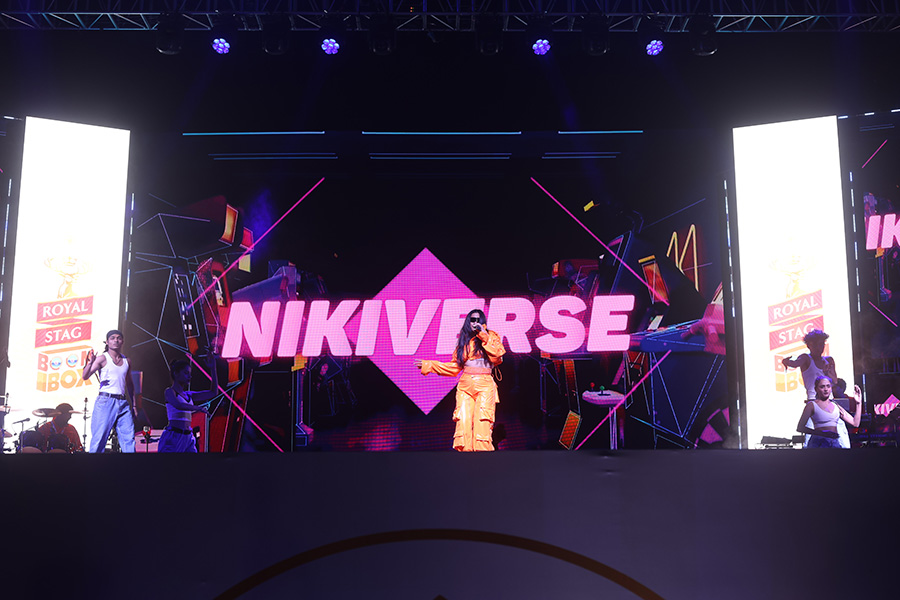
As music continues to evolve, audiences are increasingly drawn to experiences that bring together different styles and creative perspectives. Royal Stag BoomBox celebrates this shift by creating a platform where hip-hop and melody can coexist and complement one another.
Rather than focusing on a single genre, it embraces the idea that great music often emerges when artists are willing to explore new possibilities. The result is a festival experience that feels contemporary, energetic and deeply connected to the way audiences engage with music today.
By bringing together artists from different musical backgrounds, Royal Stag BoomBox reflects the changing face of live entertainment while celebrating the originality that drives it forward.
If hip-hop's history has taught us anything, it's that the genre rarely stays still.
Every generation brings new voices, new influences and new ideas. Artists continue to experiment with sounds while audiences remain eager to discover something different.
In India and around the world, that evolution is likely to continue shaping festival culture. More regional artists are expected to gain visibility. More collaborations will emerge. More genres will intersect in ways that create entirely new musical experiences.
The future of hip-hop at festivals will not be defined by a single sound. It will be defined by its ability to keep evolving while remaining connected to the creativity and self-expression that made the genre influential in the first place.
Hip-hop's presence at music festivals today reflects just how far the genre has come.
What began as a cultural movement rooted in community and creativity has grown into one of the most influential forces in live music. Along the way, it has transformed festival stages, inspired new forms of collaboration and created opportunities for artists to connect with audiences across the world.
In India, that journey is still unfolding. New voices continue to emerge, new sounds develop, and new audiences embrace the genre in their own way.
Platforms like Royal Stag BoomBox celebrate this evolution by bringing together artists, audiences and musical influences that represent the future of live entertainment. If there's one thing hip-hop has always done well, it's finding new ways to move forward while staying true to its roots.

Hip-hop delivers high-energy performances that encourage crowd participation and create a strong connection between artists and audiences. Its storytelling and stage presence make it one of the most engaging genres at live events.
Hip-hop has brought greater diversity to festival line-ups while inspiring artists from different genres to collaborate. It has also helped make live performances more immersive and interactive.
The emergence of independent artists, wider access through streaming platforms, the popularity of regional-language rap, and growing audience interest have all played a role in expanding the Indian hip-hop scene.
Artists are exploring new creative directions and experimenting with different musical styles. This has led to collaborations that combine hip-hop with melody, electronic music, regional influences, and other genres.
Royal Stag BoomBox is a platform that celebrates the fusion of hip-hop and melody through live performances, artist collaborations, and unique musical experiences.
The genre is expected to continue evolving with stronger regional representation, fresh musical experimentation, and more collaborations that bring together diverse sounds and creative perspectives.